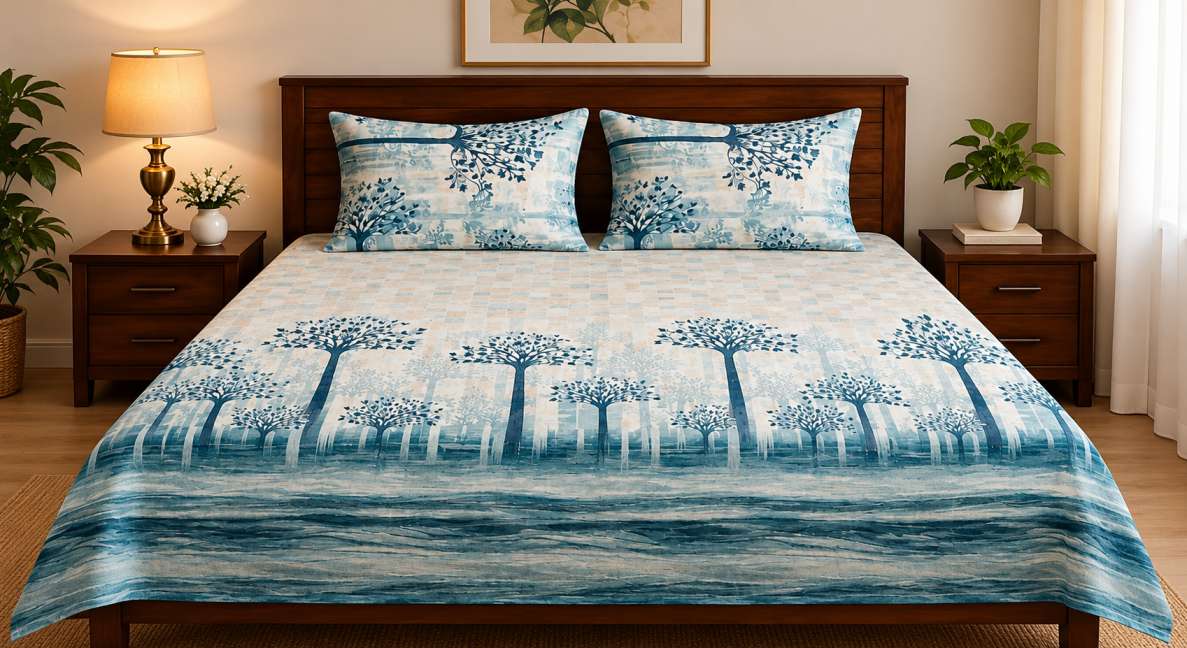
Best Cotton Bedsheet for Summer – Stay Cool, Comfortable & Sleep Better
Summer nights call for bedding that promotes airflow, wicks moisture efficiently, and feels soft without trapping heat. The right cotton bedsheets can significantly impact sleep quality by maintaining a comfortable surface and reducing night sweats. The following long-form guide presents a thorough exploration of the best cotton options for warm weather, practical recommendations, care practices, and considerations that help readers select sheets tailored to climate, bedding depth, and personal preference. Throughout, emphasis is placed on weave and fiber quality over simplistic thread-count metrics, recognizing that breathable performance hinges on fabric structure, fiber length, and finishing processes.
1. The core objective: breathable comfort under warm conditions
In hot and humid environments, sheets should enable air movement, absorb moisture, and dry quickly. Lightweight fabrics with a loose yet even weave tend to feel cooler because they permit better ventilation. Pure cotton remains the benchmark for natural breathability, sustainability, and a familiar soft hand. When selecting cotton sheets for summer, prioritize weave geometry, fiber quality, weight, and finish over thread count alone. The goal is a surface that feels neither damp nor clammy, with a matte, airy surface that promotes a sense of freshness as the night progresses.
2. Cotton weaves and fibers that excel in warm weather
Different weaves affect air permeability, texture, and heat retention. The following categories consistently perform well in warmer seasons:
- Percale: A crisp, matte, closely woven fabric with a tight but breathable weave. Percale sheets are lightweight and highly air-permeable, delivering a cool touch that is particularly appealing to hot sleepers. A well-made percale sheet balances a smooth, even finish with reliable durability.
- Sateen: Typically softer and with a more lustrous surface, sateen is often perceived as warmer because of its denser weave. For summer use, focus on lighter weights and cotton types with better moisture management. A cooler experience can still be achieved by selecting lighter satin-weave blends or percale-sateen hybrids designed for breathability.
- Long-staple cottons: Egyptian, Supima (Pima) cottons feature longer fibers, which typically yield stronger, softer, and more breathable fabrics. The long-staple character reduces pilling and enhances surface smoothness while maintaining airflow.
- Cotton-linen blends: While not 100% cotton, blends can offer improved moisture-wicking and quick-drying properties. Blends may feel initial crisp but tend to soften with washing, while often retaining a cool and breathable quality suitable for hot climates.
- Looser-weave cottons: Fabrics with a looser structure tend to drape lightly and dry rapidly. These sheets often provide good airflow and a relaxed hand, which many warm-climate sleepers appreciate.
- Unfinished or lightly finished cotton: Fabrics with minimal chemical finishing preserve natural breathability and a more tactile texture. These options are beneficial for sensitive sleepers who seek a closer-to-nature feel.
3. Fiber quality and its practical implications
- 100% cotton remains the standard for breathability and natural cooling. For warmth-intensive nights, quality matters more than sheer thread count. High-quality long-staple cottons tend to offer a refined hand, improved moisture management, and better longevity.
- Supima and Egyptian cotton: These long-staple fibers yield softer, lighter, and more breathable fabrics when finished well. The emphasis should be on the fabric’s weight, weave, and finishing rather than simply the advertised fiber type or an inflated thread count.
- Blends: Cotton blends (such as cotton-linen or cotton-modal blends) can deliver enhanced moisture management and quicker drying. They may provide additional softness or texture and are worth considering if the sleeper prioritizes dryness and ease of care.
4. Weight and density: how to match sheets to your climate
- Light to mid-weight sheets are generally ideal for summer. They allow efficient air exchange and faster evaporation of moisture, which helps cool the sleeper.
- In extremely hot or humid climates, a lighter weight with a looser weave can deliver the best cooling effect. Conversely, in air-conditioned bedrooms, a mid-weight, well-constructed percale or a light sateen can provide a balanced experience.
- Consider mattress depth and corner fit: Deep pockets and strong elastics help maintain a smooth surface on thicker mattresses, ensuring the sheets remain properly fitted and breathable without bunching.
5. Practical profiles: representative options for varied preferences
- Crisp Percale Set
- Fiber/Weave: 100% cotton, percale weave
- Weight: light to mid-weight
- Why choose: exceptional air circulation, cool, matte surface
- Best for: hot sleepers who prefer a crisp, professional feel and quick drying
- Supima Cotton Sheet Set
- Fiber/Weave: long-staple Supima cotton, varied weaves
- Weight: moderate
- Why choose: soft, breathable, durable with a refined hand
- Best for: sleepers seeking comfort without sacrificing airflow
- Egyptian Cotton Lightweight Set
- Fiber/Weave: long-staple Egyptian cotton, breathable weave
- Weight: light to medium
- Why choose: luxurious feel with enhanced breathability
- Best for: those who value softness and a cooler night
- Cotton-Linen Blend Set
- Fiber/Weave: cotton-linen blend with a percale or light sateen finish
- Weight: light to medium
- Why choose: superior moisture-wicking and rapid drying while preserving some cotton softness
- Best for: very warm climates or households seeking enhanced cooling
- Loose-Weave Cotton Set
- Fiber/Weave: cotton with a looser weave, possibly with a slightly textured surface
- Weight: light
- Why choose: airy feel, excellent airflow, quick drying
- Best for: humid environments or bedrooms lacking climate control
6. Buying guide: how to choose for summer without overemphasizing thread count
- Weave matters more than thread count
- Percale with a tight, even weave provides better airflow and a crisp surface.
- Sateen weaves are softer and typically denser; if used in hot weather, opt for a lighter weight and a cooler finishing.
- Fiber and fiber length
- Long-staple cottons (Egyptian, Supima) generally yield superior softness and breathability, though finish quality varies.
- Favor 100% cotton for maximum breathability. Blends can be considered when softness and moisture management are prioritized over airflow alone.
- Weight and density
- For summer, choose light to mid-weight fabrics. They dry faster and feel cooler than heavier options.
- Fit and finish
- Deep pockets and secure elastics help maintain a smooth, taut surface on thick mattresses, reducing friction that can trap heat.
- Finishing considerations
- Minimal chemical finishing supports breathability. If sensitive to synthetic finishes, look for labels indicating “no chemical finishing” or “low-impact finishing.”
- Care considerations
- Pre-washing softens fibers and can enhance breathability. Follow the manufacturer’s care instructions to preserve weave integrity and prevent stiffness.
7. Care tips to maximize coolness and longevity
- Wash in cool or warm water to minimize fiber fatigue and maintain softness.
- Avoid heavy fabric softeners; they can reduce moisture management over time.
- Dry on low heat or line-dry when possible to preserve fiber integrity and texture.
- Rotate between sets to distribute wear evenly and maintain consistent performance.
- Store in a cool, dry place to prevent moisture buildup and odors.
8. Maintenance and longevity: extending life and performance
- Rotate sets seasonally to balance wear and maintain consistent freshness.
- Inspect for pilling, loose threads, or fabric thinning, addressing issues promptly to preserve the appearance and feel.
- Consider a gentle cycle and appropriate detergents to protect the weave and fiber integrity.
9. Practical shopping tips: evaluating product claims
- Weave first, fiber second: a strong percale or lightweight long-staple cotton with a clean finish will outperform a high thread-count but poorly woven fabric.
- Examine fabric weight descriptors: terms like “gsm” (grams per square meter) provide objective weight guidance; a lower gsm generally indicates lighter weight suitable for summer.
- Read care labels: “pre-washed,” “no-iron,” or “low-impact finishing” labels inform about handling and breathability expectations.
- Seek certifications: Oeko-Ton, GOTS, or other textile quality certifications can indicate reduced chemical use and adherence to safety standards.
- Assure proper fit: verify mattress depth compatibility with pocket depth or elastic corner design to ensure a secure, smooth fit.
10. Seasonal preparation: transitioning into summer
- Pre-wash sheets before use to maximize softness and breathability.
- Rotate between sets to distribute wear and preserve performance across the season.
- Consider a light, unlacquered duvet or breathable blanket to complement cooling sheets and reduce heat buildup.
11. A comparative summary for quick reference
- Percale: best for crisp coolness, high air exchange, lightweight hand
- Supima/Egyptian: refined softness with good breathability, durability, variable weights
- Cotton-linen blends: enhanced moisture management, quick-drying, subtle texture
- Looser-weave cottons: superior airflow, relaxed drape, best in very warm climates
- Lightly finished fabrics: natural feel, reduced chemical finishing, suitable for sensitive sleepers
12. Practical recommendations by sleep style and climate
- For hot sleepers in humid environments: prioritize percale, light weight, loose weave, and minimal finishing.
- For sleepers who value luxe feel but still want cooling: select mid-weight long-staple cotton sheets with a breathable weave and a modest finish.
- For climates with strong air conditioning: a mid-weight cotton sheet with a smooth surface provides comfort without feeling overly cool or clammy.
- For sensitive sleepers: seek fabrics labeled as undyed, no- or low-chemical finishing, and tests indicating low allergen potential.
13. Conclusion: achieving cooler nights through informed choice
Choosing the right cotton bedsheets for summer requires attention to weave, fiber quality, weight, and finishing rather than relying solely on thread count. Percale remains a reliable baseline for those who prize a cool, crisp surface, while long-staple cottons offer a refined balance of softness and airflow. Blends can provide practical benefits for moisture management and care, though the core objective remains to optimize breathability and dryness throughout the night. By understanding the interplay between weave, fiber, and finish—and by aligning these with climate, mattress depth, and personal preferences—readers can select cotton sheets that promote cooler nights and more restorative sleep across the warm season.
Meta description
A comprehensive, in-depth guide to choosing the best cotton bedsheets for summer. Explore breathable weaves, fiber types, and practical recommendations
Meta keywords
cotton bedsheets, summer sheets, breathable sheets, Percale sheets, Supima sheets, Egyptian cotton, long-staple cotton, cool sleep, bedding guide, sheet care, moisture management, summer bedding, linen blend, thread count myths